
About Autheo
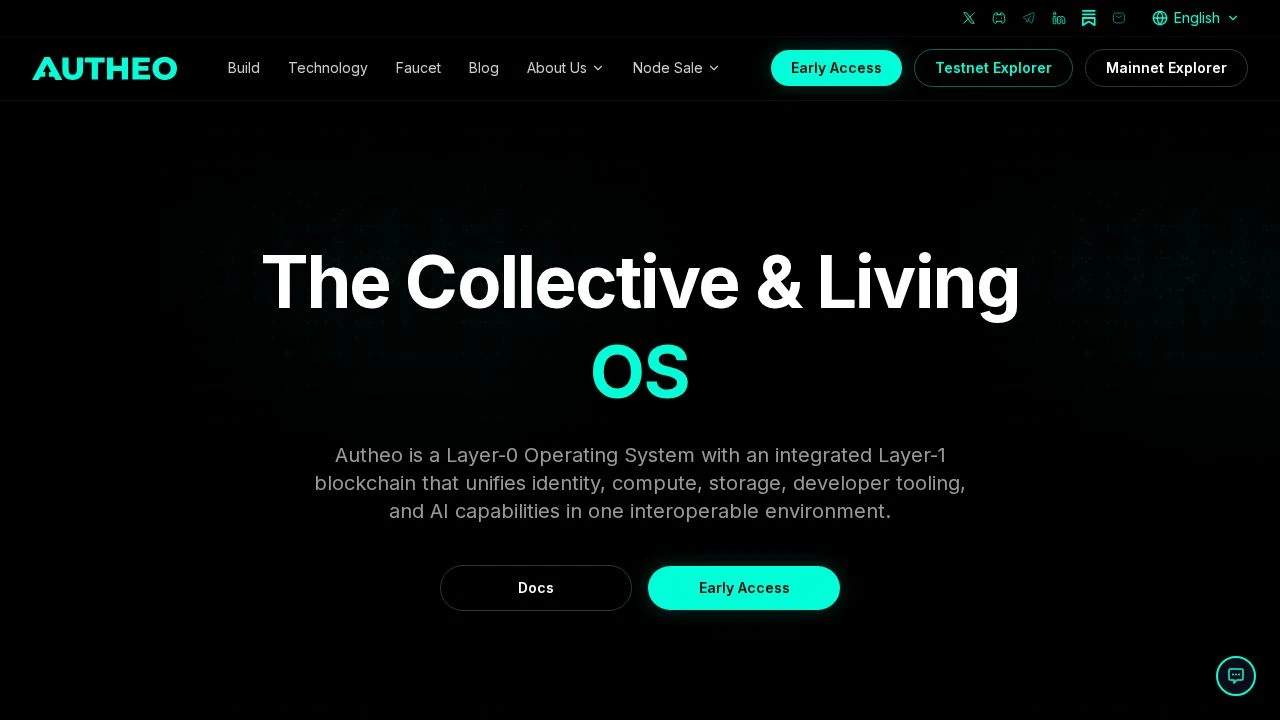
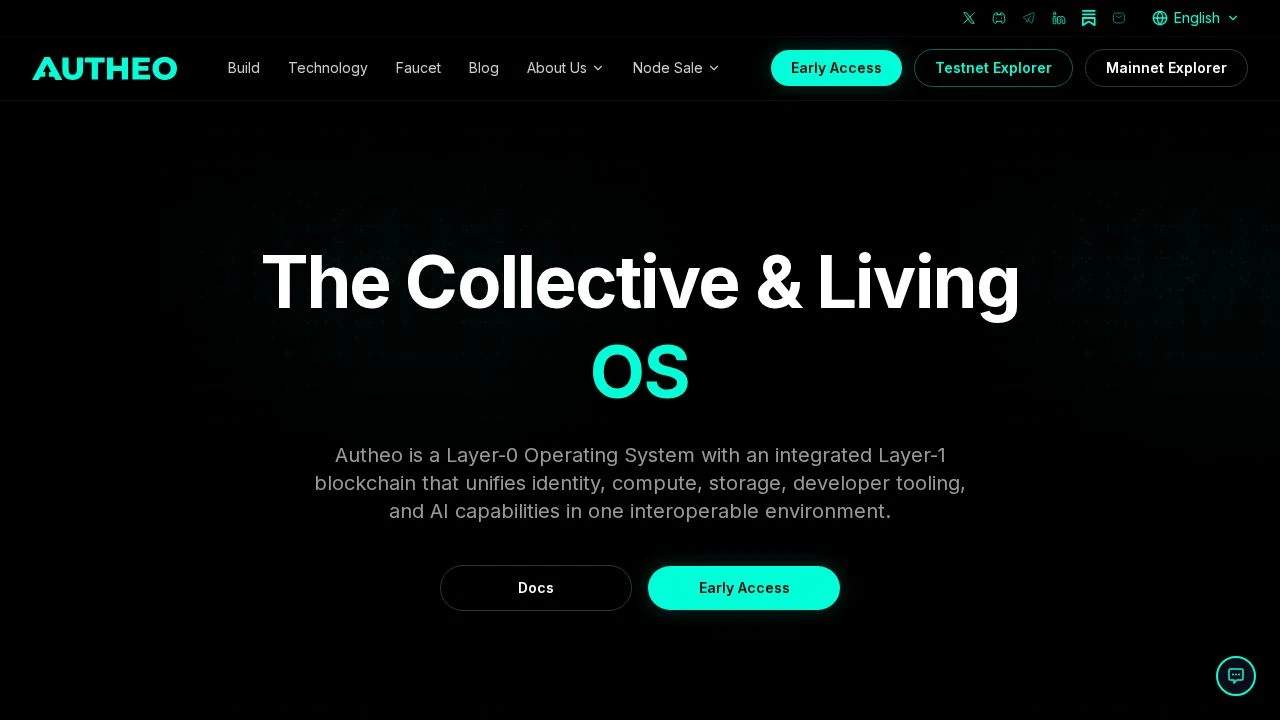
Autheo is an advanced blockchain ecosystem designed to redefine how developers, enterprises, and digital communities interact with Web3 infrastructure. Positioned as a Layer-0 Operating System with an integrated Layer-1 blockchain, Autheo aims to solve one of the biggest challenges in modern decentralized technology: fragmentation. Traditional Web3 development often requires teams to manage multiple APIs, SDKs, storage systems, authentication layers, and infrastructure providers separately, creating unnecessary complexity, high costs, and scalability limitations. Autheo addresses these problems by combining all essential blockchain and development components into one unified and interoperable environment.
At its core, Autheo functions as a comprehensive operating system for the decentralized internet. Instead of offering only a blockchain network, the platform integrates identity management, decentralized compute power, storage systems, developer tooling, artificial intelligence capabilities, and full-stack infrastructure into a coordinated ecosystem. This approach allows developers to build applications, launch ecosystems, and create intelligent systems without relying on fragmented third-party services. The platform is designed to bridge the gap between Web2 and Web3, making blockchain adoption more practical for businesses and developers who want modern decentralized solutions without excessive technical barriers.
One of the key pillars of Autheo is its integrated Layer-0 and Layer-1 architecture. The Layer-0 component provides the foundational interoperability and network coordination required for scalable ecosystems, while the integrated Layer-1 blockchain delivers speed, sovereignty, and programmable functionality for decentralized applications. Together, these layers create an environment where projects can launch with native compatibility, security, and scalability already built into the infrastructure.
Autheo also includes a decentralized cloud infrastructure that combines compute, messaging, and storage capabilities. This enables applications to operate in a more distributed and sovereign way, reducing dependence on centralized hosting services. Developers gain access to a unified stack where frontend systems, backend infrastructure, smart contracts, and orchestration tools work together seamlessly through full-stack SDKs. By simplifying development workflows, Autheo allows builders to focus more on innovation and less on infrastructure management.
Another major feature of the ecosystem is DevHub, the platform’s native development workspace. DevHub is designed to streamline testing, deployment, scaling, and project management inside the Autheo environment. Instead of switching between disconnected tools and platforms, developers can manage the entire lifecycle of their applications within a single workspace. This integrated approach improves efficiency and lowers the barrier to entry for teams building decentralized solutions.
Autheo also places significant emphasis on digital identity and artificial intelligence. TheoID provides post-quantum secure authentication and digital sovereignty for users and assets, ensuring strong identity protection in a future increasingly influenced by advanced computing technologies. At the same time, THEO AI introduces intelligent automation and adaptive workflows into the ecosystem. According to the platform, the network is designed to evolve over time as AI-native systems and autonomous agents participate in the infrastructure, creating what the company describes as a “living network” that learns, adapts, and grows continuously.
No reviews yet — be the first!
Discussion
Join the conversation
Sign in or create a free account to leave a comment.
Analytics
Unique visitor trends for Autheo
No comments yet. Be the first to share your thoughts!